A Vocal Health Record for Your Cat: The Long-Term Value of Meowing Data
From "How Many Meows" to a Health Record
A single meow is an event; months of meowing data are a signal. Cat vocalizations change with needs, stress, age and physical condition — changes that owners often can't quantify by ear. A device that logs vocalization objectively turns casual listening into a personal health record — not a medical device, but a behavior reference that spots trends before they are noticed.
Building a Behavior Baseline
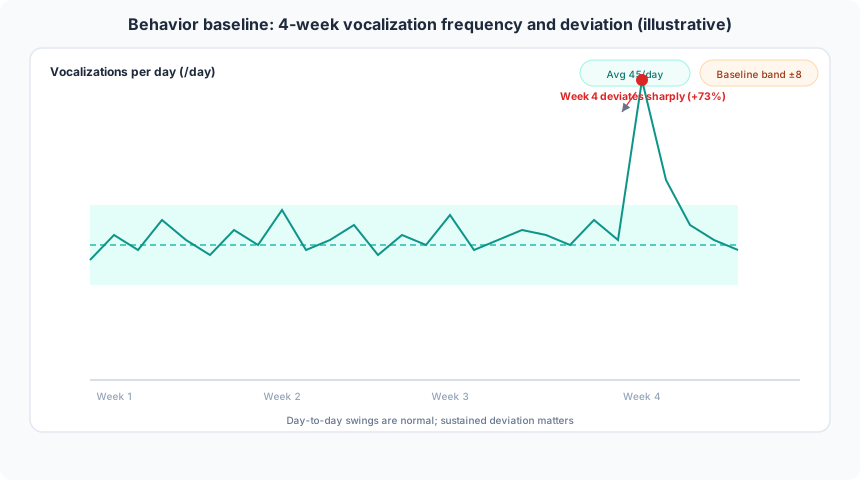
During the first 1–2 weeks the system learns this cat's personal baseline: average daily meow count, active hours, typical call duration. After that, deviations become meaningful:
Frequency — — sustained doubling above baseline matters; a single busy day does not
Timing — — unusual night calls stand out against the dawn/dusk pattern
Duration — — unusually long calls are a different signal than short ones
The key principle: daily fluctuation is normal; sustained deviation is the signal.
Multi-Metric Correlation
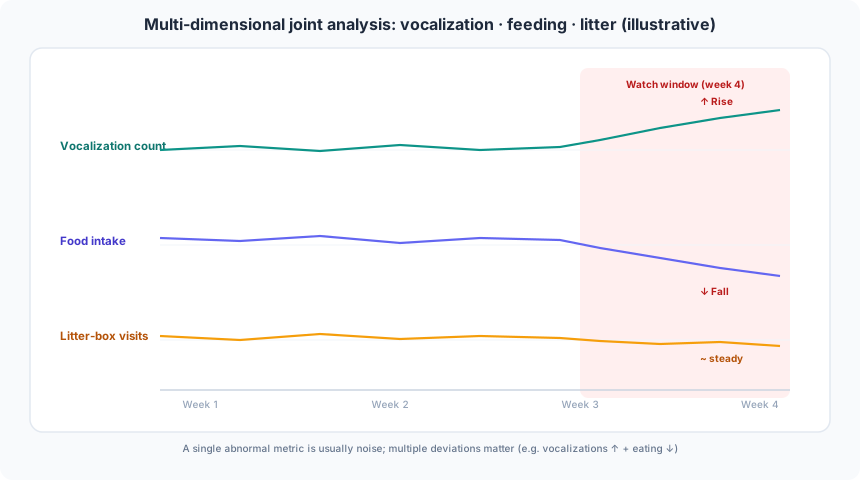
A single metric can be noisy. The report therefore correlates three streams — meowing, eating and litter-box activity. When one metric drifts it may be nothing; when several drift in the same window, it deserves attention. In the illustrative case above: meows rising while eating declines — a classic pattern worth observing.
The Long-Term Monitoring Workflow
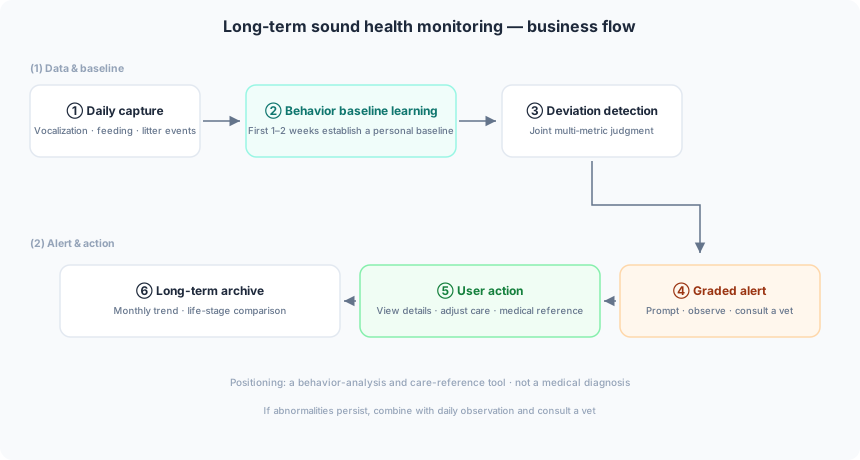
1. Daily capture — vocalization, eating and litter events recorded as they happen
2. Baseline learning — the first 1–2 weeks establish the personal baseline
3. Deviation detection — multiple metrics checked jointly
4. Graded reminders — gentle note / suggest observation / suggest consulting a vet
5. Owner action — review details, adjust care, share with the vet
6. Long-term record — monthly trends and life-stage comparison
One important note on positioning: this is a behavior-analysis and care-reference tool — it does not constitute a medical diagnosis. When sustained anomalies appear, combine the data with daily observation and consult a professional veterinarian.
Differences Across Life Stages
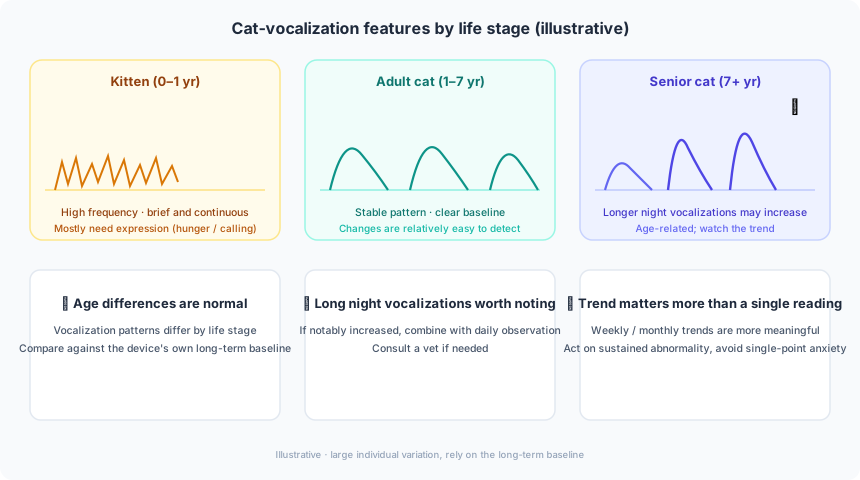
Kittens (0–1) — — high-frequency, short, continuous calls; mostly needs expression
Adults (1–7) — — regular and stable; the baseline is clean and changes are easy to detect
Seniors (7+) — — night-time long calls may increase; this can relate to age-related changes — watch the trend, and consult a vet when it is pronounced
Age-related differences are normal. What matters is comparing against the cat's own long-term baseline.
How to Read the Weekly Report
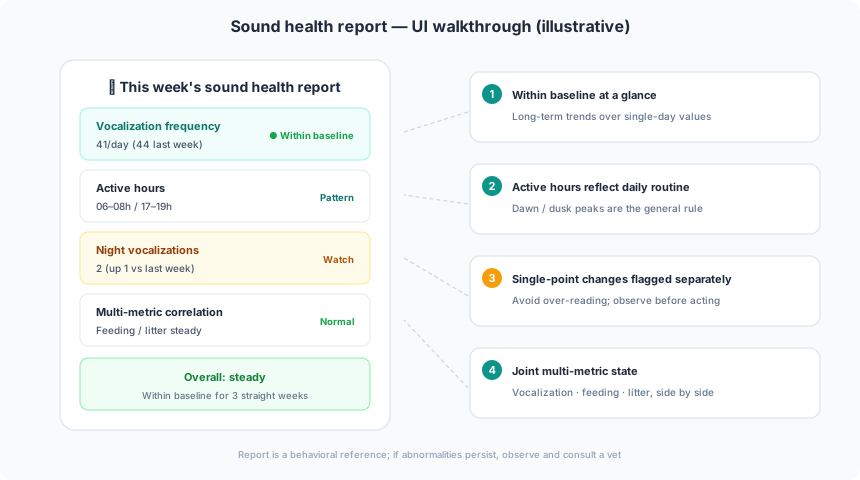
1. Baseline status first — is this week inside the band? Long-term trends outrank single-day numbers
2. Active hours — the dawn/dusk pattern reflects routine; shifts can matter
3. Single-point changes are labeled, not alarmed — observe before acting, avoid over-interpretation
4. Joint status of multiple metrics — meowing, eating and litter activity side by side
Platform Compatibility and Performance
All analysis runs on the device — the vocal health record never requires uploading raw audio.
Conclusion
Long-term vocalization data turns a pet device from a gadget into a care companion. If you are building a pet product with a health or behavior angle, an online trial with full technical support is available.
Want to try the detection yourself?