Alarm Monitoring for Elderly Living Alone: From Detection to Graded Response
Beyond "Seeing": Why Hearing Matters in Elderly Care
Cameras can't see a ringing smoke alarm. For seniors with reduced hearing or limited mobility, an alarm that rings unheard for minutes can escalate into an emergency. A care device that hears household alarms adds a layer that cameras simply cannot cover.
The Household Sounds Worth Watching
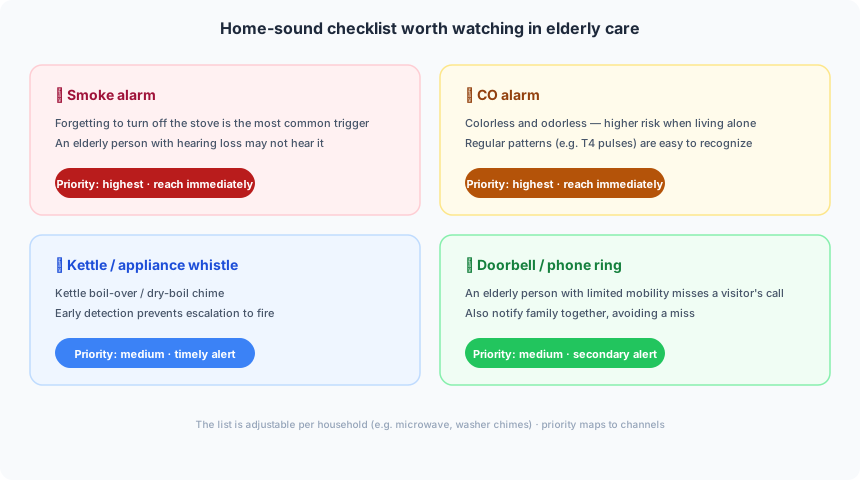
Four categories matter most in care scenarios:
1. Smoke alarm — the most common trigger is an unattended stove; highest priority
2. CO alarm — invisible and odorless, higher risk when living alone; highest priority
3. Kettle / appliance whistles — catching a dry-boiling kettle early prevents escalation
4. Doorbell and phone rings — assistance for missed visitors when mobility is limited
Priority determines the notification channel: top-priority events trigger push plus phone call; medium-priority events send push notifications.
The Graded Response Workflow
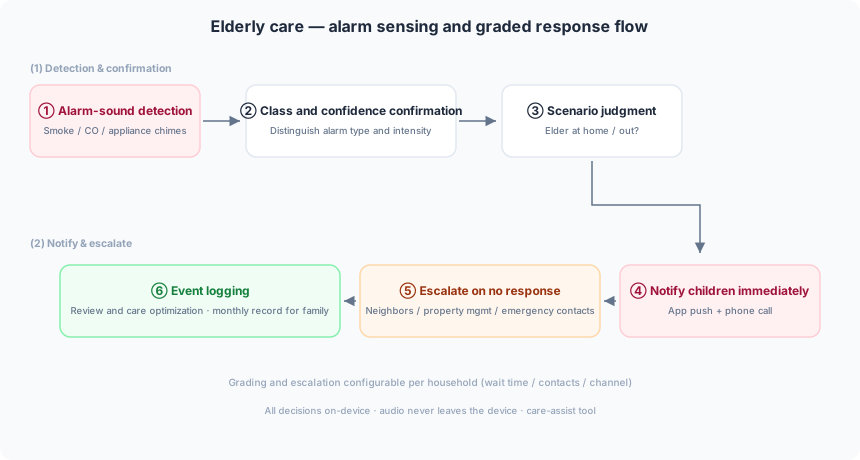
1. Alarm detection — smoke / CO / appliance tones identified on-device
2. Class and confidence — distinguishing the alarm type and strength
3. Scene check — is the senior at home?
4. Immediate notification — app push and phone call to children
5. Escalation when unanswered — neighbors, property management, emergency contacts
6. Event record — monthly care records that give families peace of mind
Escalation timing and contacts are fully configurable per family situation.
The Home Scene and Notification Chain
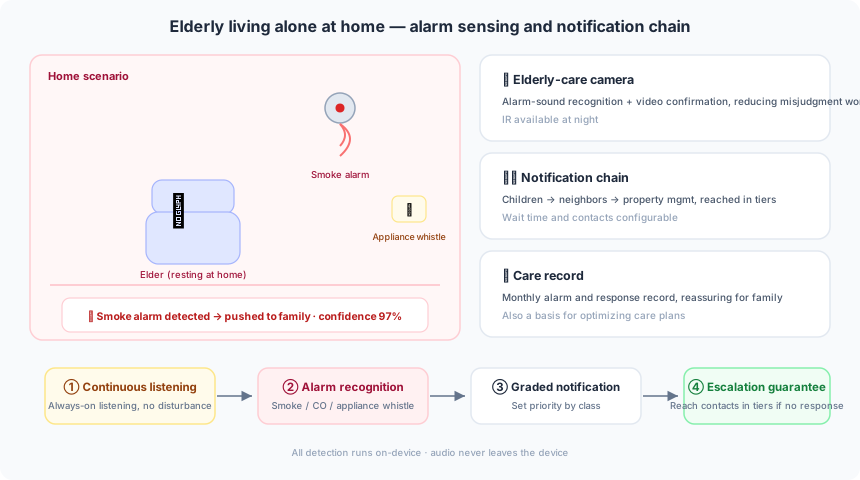
The care camera confirms scenes visually (reducing false-alarm anxiety), the notification chain reaches children first, then neighbors, then property management — and every event lands in a monthly record. This is a care-assistance tool: it supports faster human response, and does not replace emergency services.
Timing and Response Data
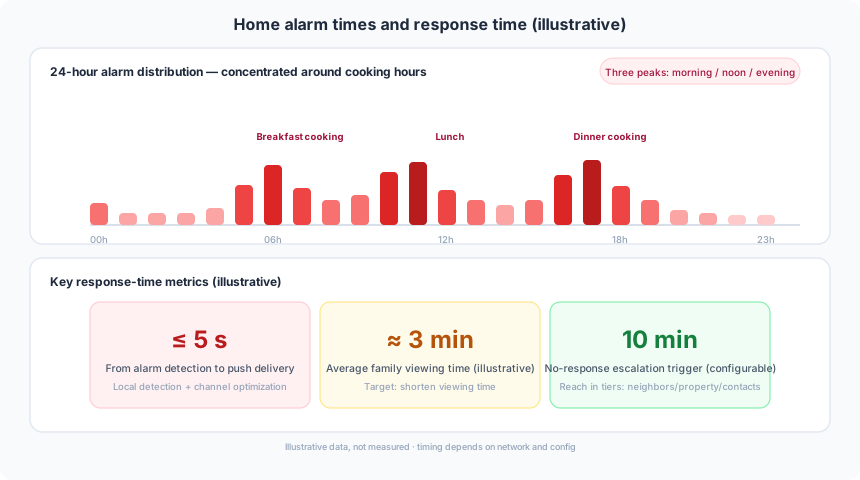
Alarm occurrences cluster around cooking times (breakfast, lunch, dinner) — exactly the windows where care should be most attentive. Response metrics: push delivery within seconds, average review time of minutes, and configurable escalation after a waiting window.
Conclusion
For families living apart, sound-based alarm monitoring is a lightweight way to stay present. Positioning statement: this is a care-assistance tool for faster human response — not a medical or emergency service. An online trial with full technical support is available.
Want to try the detection yourself?