Knocking as a Call for Help: Acoustic Monitoring in Elderly Care
The Most Natural Call for Help
For seniors with limited mobility, the smartphone is far away, the emergency pendant is easy to forget — but the bed rail is right there. Knocking on a bed rail or table is a natural, low-effort call for help. Acoustic monitoring turns that instinct into a reliable signal chain.
The Night-Time Scene
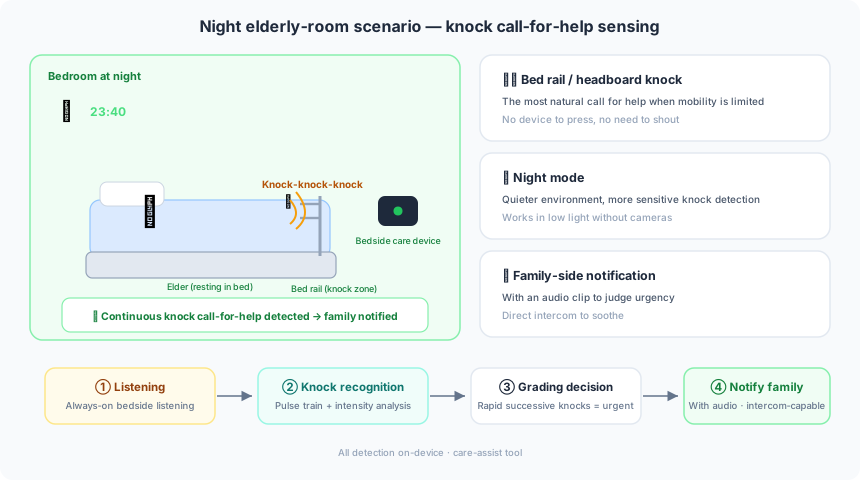
A bedside device listens continuously; a series of urgent knocks becomes an event with an optional audio clip; children receive a push (or call) and can talk back through the device. Quiet night hours make detection more sensitive — and the camera isn't even needed.
Graded Response: One Knock vs Urgent Knocking
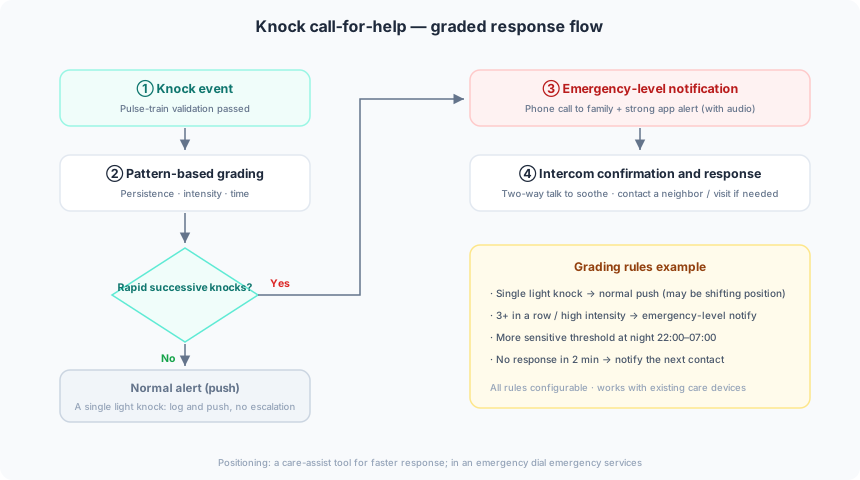
Single light knock — — push notification only (could be turning in sleep)
3+ continuous knocks or high-strength pattern — — emergency tier: phone call plus strong push with audio
Night hours (22:00–07:00) — — more sensitive thresholds
No response within 2 minutes — — escalate to the next contact (neighbor, relative, caregiver)
All rules are configurable; positioning reminder: this is a care-assistance tool for faster human response — for true emergencies, call emergency services directly.
Four Design Considerations
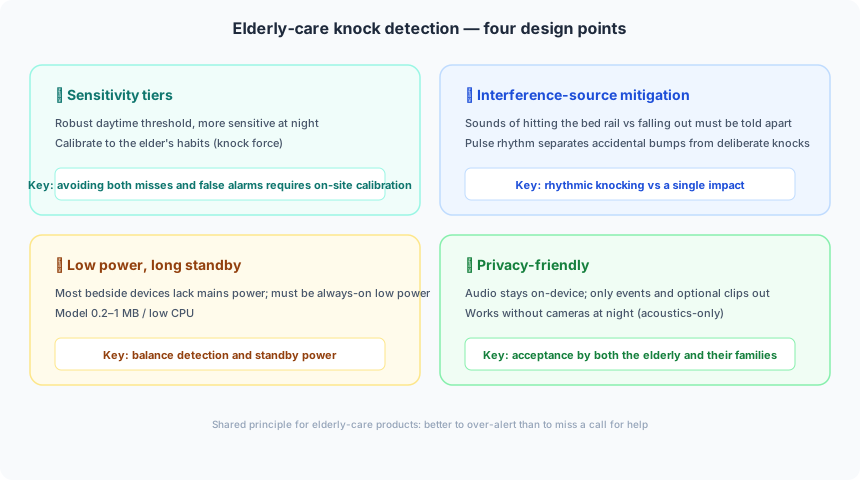
Sensitivity tiers between day and night; distinguishing intentional knocking from accidental bumps by pulse rhythm; long standby on battery; and privacy-friendliness — audio never leaves the device, and pure-acoustic setups need no camera. The common principle of elder-care products: better a few extra notifications than a missed call for help.
Timing and Response Data
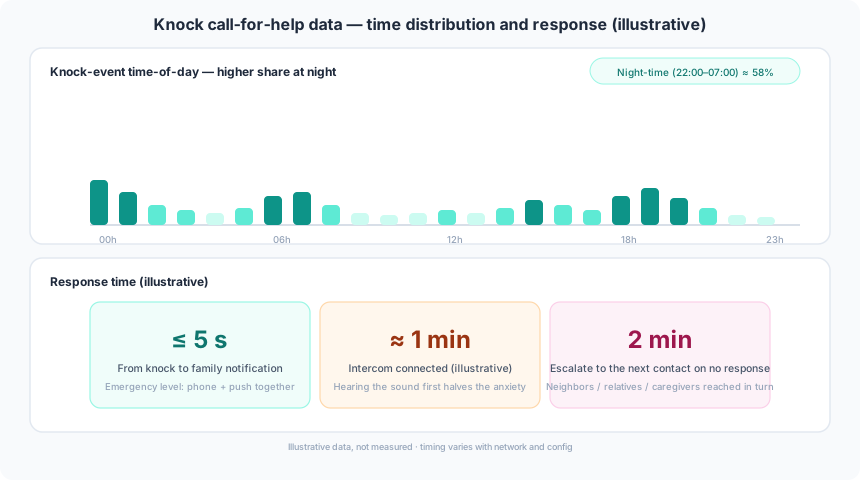
Knock events cluster at night (about 58% between 22:00 and 07:00) — precisely when response is hardest. The response chain targets: notification within 5 seconds, two-way talk within a minute, escalation within two minutes.
Conclusion
Knocking is the simplest interface a care device can listen for. If you are building elderly-care products, an online trial with care-scenario support is available.
Want to try the detection yourself?