Knock Detection Principles: Transient Recognition at the Front Door
The Most Overlooked Visitor Signal
Not every visitor rings the bell. Couriers knock twice and leave; neighbors tap the window; kids can't reach the button. Knock detection is transient recognition applied where it matters most — but knocks share their "short, sharp" character with footsteps, door slams and wind, making discrimination the real work.
The Signatures: Knock vs Footsteps vs Door Slam
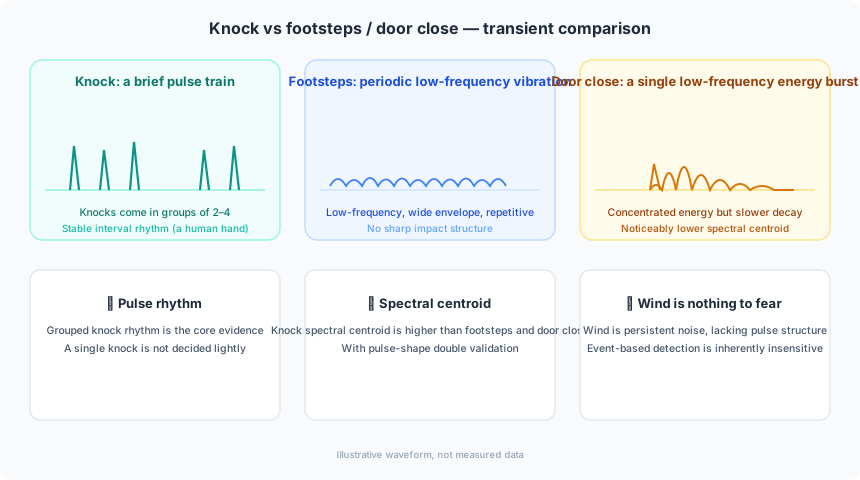
Knock — — 2–4 pulse events in a group, with a stable human rhythm; the pulse grouping is the core evidence
Footsteps — — low-frequency, wide-envelope, continuous repetition; no sharp impacts
Door slam — — low-frequency large single burst with slower decay; spectrum centroid far lower
Event-based detection is naturally insensitive to wind noise: continuous sounds carry no pulse structure.
The On-Device Architecture
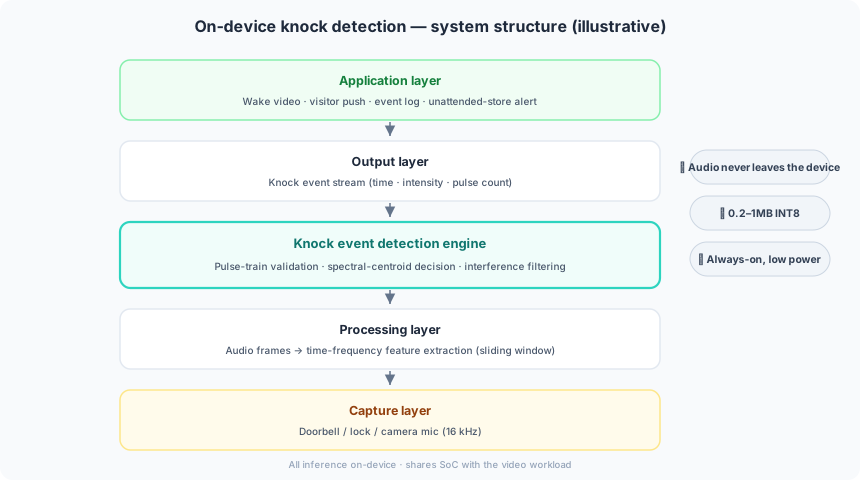
Capture (doorbell / lock / camera microphones) → processing (time-frequency features) → engine (pulse-group verification, centroid checks, interference filtering) → event stream (time, strength, pulse count) → applications (wake video, visitor push, unattended-store alerts).
Performance Across Door Types and Distances
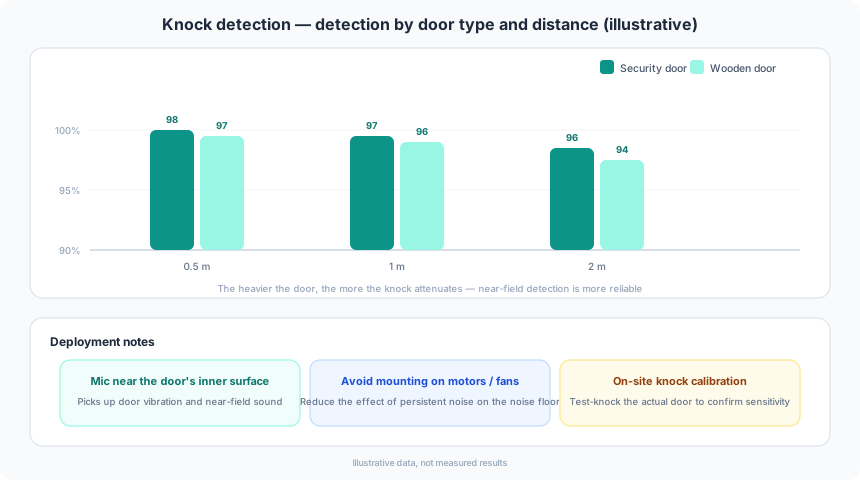
Detection stays high (94%+) from 0.5m to 2m — heavier doors attenuate knocks, so near-field mic placement matters. Deployment points: mic near the door's inner surface; avoid motors and fans; calibrate by knocking on the actual door at install time.
Four Application Forms
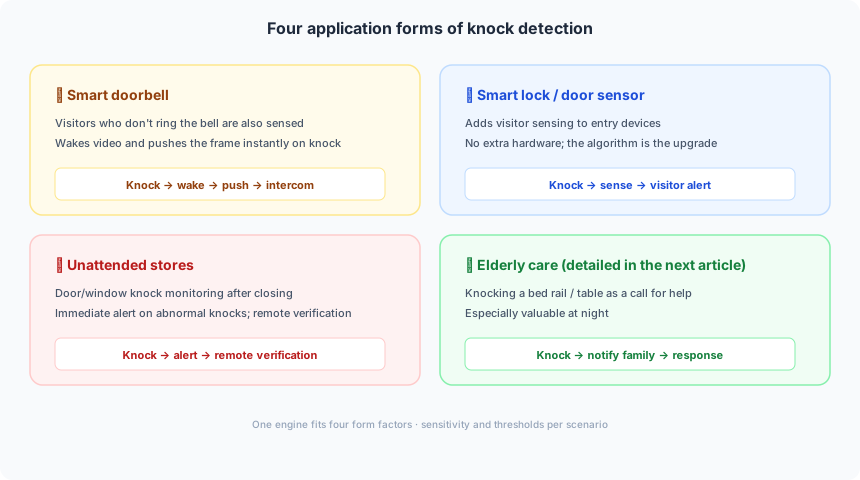
Doorbells (wake + push + talk), locks (visitor awareness with zero extra hardware), unattended stores (night-time knock alerting with remote verification), and elderly care (knocking as a call for help — covered in detail in the companion article).
Conclusion
Knock detection is a case study in transient recognition done right: pulse grouping as evidence, event analysis for noise immunity, and calibration for the physical world. An online trial with full technical support is available.
Want to try the detection yourself?