Night Security for Retail Chains: Sound-Based Intrusion Awareness
The Night Problem for Multi-Store Operators
For a chain operator, nights multiply risk: dozens of stores, none staffed, each with glass, display cases and back doors. Guards can't be everywhere — and traditional nightly patrols mean discovery takes minutes to hours, often after the fact.
One Desk for N Stores
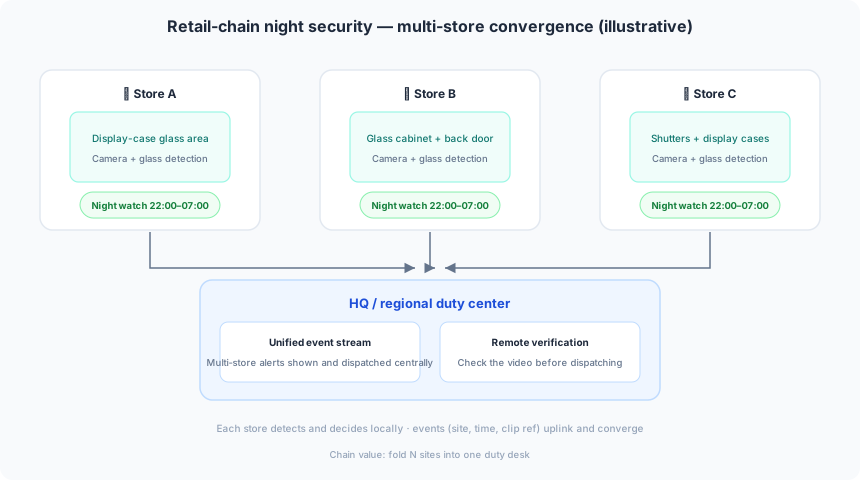
Each store detects locally (glass break, intrusion sounds) and uplinks events with location, time and clip references. One duty desk watches all stores — turning N scattered locations into a single operational view.
Verify Before You Dispatch
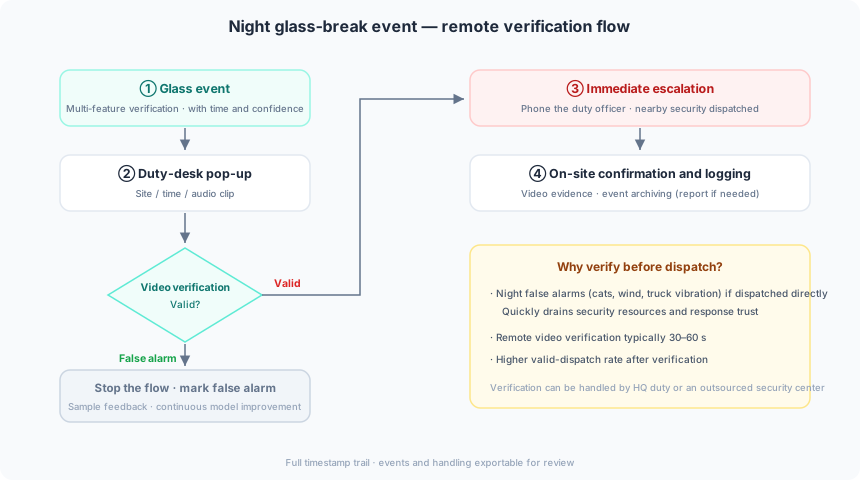
The operational core is the verification step: on an event, the desk pulls the nearest camera. False alarm → terminate and label; valid → escalate immediately (call the duty manager, dispatch nearest guard, keep evidence). Remote verification typically takes 30–60 seconds and dramatically raises the ratio of dispatched-to-valid incidents.
How It Compares to Traditional Night Watch
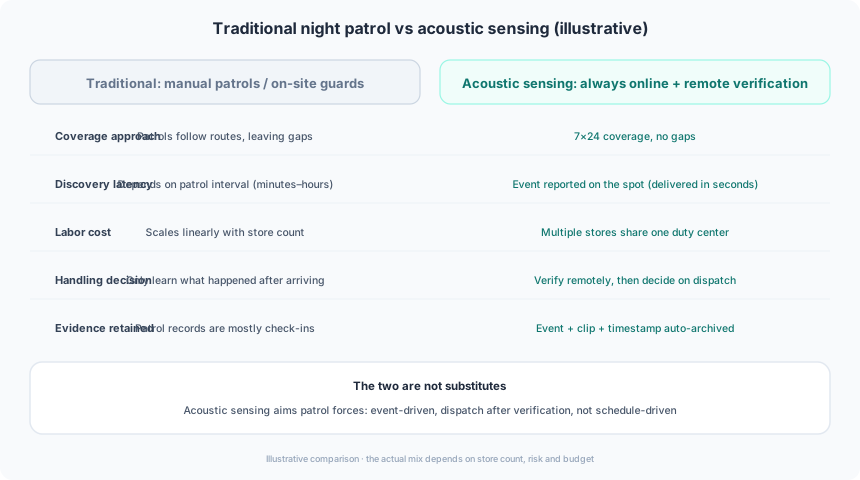
Acoustic awareness doesn't replace guards — it makes them precision-guided. Guards stop being driven by patrol schedules and start being driven by verified events.
What Operations Data Looks Like
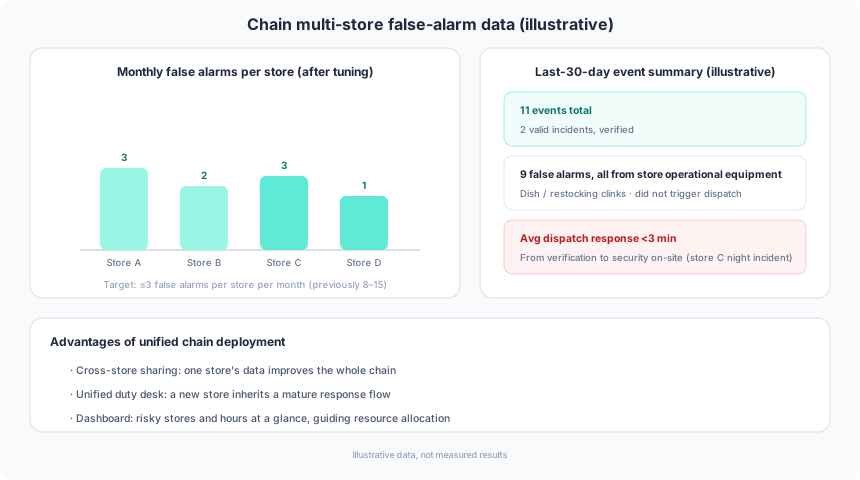
A healthy governance target: ≤3 false alarms per store per month (versus 8–15 before governance); the 30-day summary shows total events, valid incidents, operational false alarms (dishes, restocking) that never triggered dispatch — and response time under three minutes for the one real night incident. Chain-wide, false-alarm lessons from store A directly improve stores B, C and D.
Conclusion
For chain operators, sound-based night awareness consolidates risk into one verifiable stream: detect locally, verify remotely, dispatch precisely. An online trial with chain-deployment support is available.
Want to try the detection yourself?