Scream Detection Principles: Recognizing Distress in Noisy Environments
The Sound That Should Never Be Missed
A scream is a human distress signal with a distinctive acoustic shape — high energy, sustained vocal pitch, unlike speech or song. But it is also easily drowned in noise, and easily confused with singing, cheering and children playing. Detection is therefore a problem of evidence and discrimination, not just sensitivity.
The Signature of a Scream
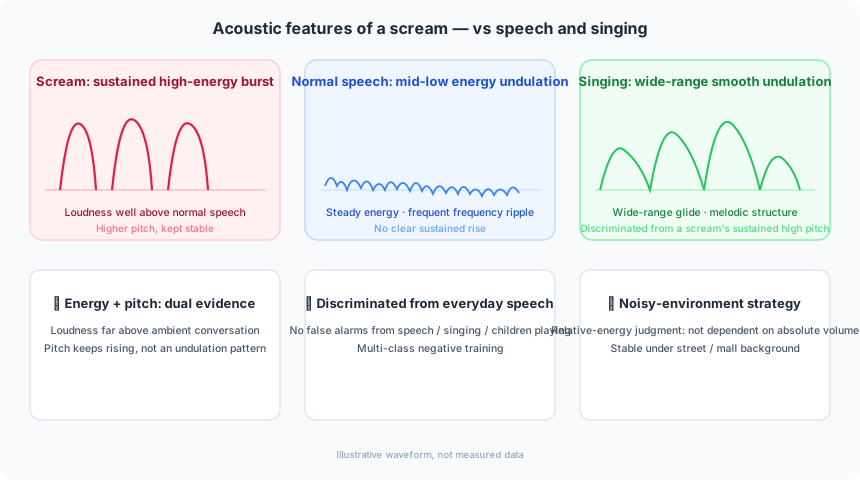
Energy — loudness well above conversational baselines in the same environment
Pitch — held high and stable — a "sustained pull-up", whereas speech fluctuates and singing glides across a wide range
Duration — screams last longer than a surprised yelp; duration thresholds separate momentary exclamations from sustained distress
The On-Device Architecture
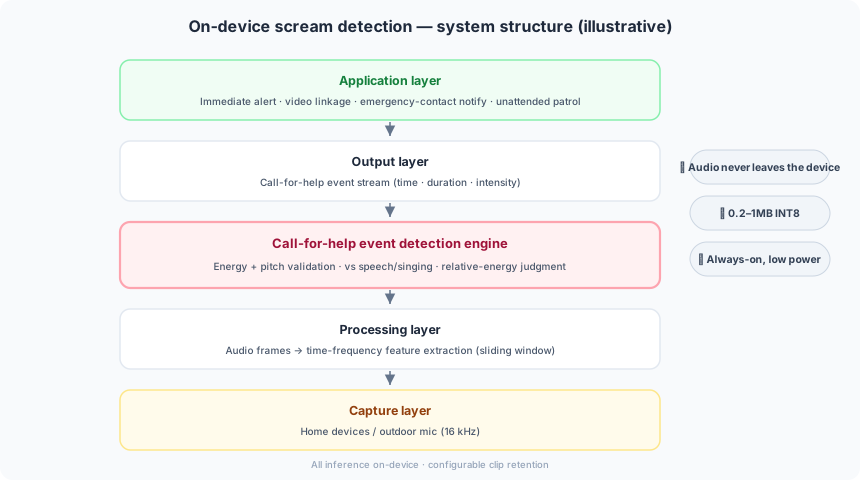
The engine combines energy + pitch evidence, discrimination against speech / singing / children playing via multi-class negative training, and relative-energy judgment — so detection does not depend on absolute loudness in noisy environments.
Detection and Linkage Flow
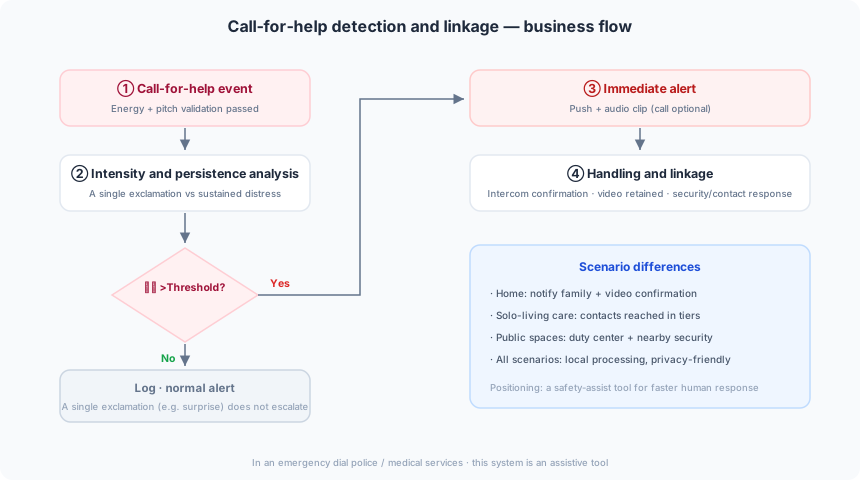
A single surprised yelp is recorded with a normal reminder; a sustained scream escalates with push plus audio clip (call escalation configurable). Linkage differs by scene: home (notify family + camera), solo monitoring (emergency contact chain), public spaces (duty desk + nearest patrol).
Positioning note: this is a safety-assistance tool to speed up human response — for real emergencies, dial emergency services.
Environment Adaptation and Discrimination
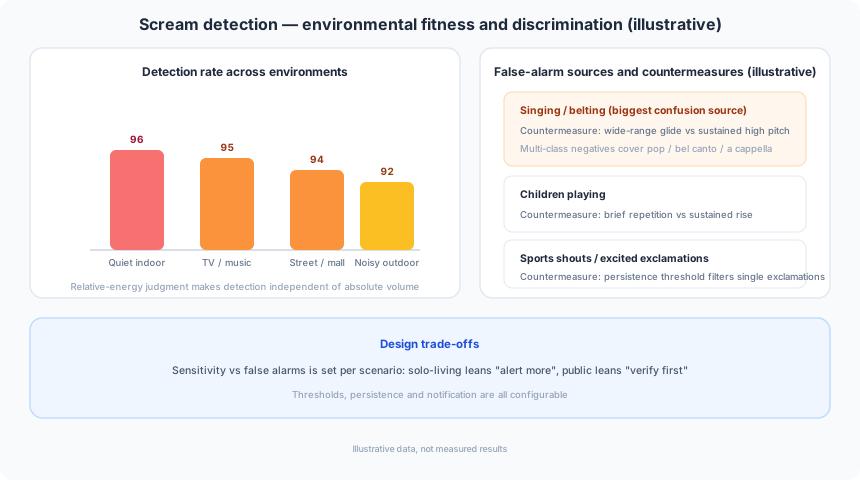
Relative-energy judgment keeps detection stable (92%+ illustrative) from quiet rooms to noisy streets. The main confusion source is singing — handled by the wide-glide-vs-sustained-pitch distinction; children playing is filtered by short-repetition patterns; single exclamations fall below the duration threshold.
The key trade-off: sensitivity vs false alarms is a per-scene configuration — solo-living care leans toward "notify more"; public scenes lean toward "verify first".
Conclusion
Scream detection is about hearing distress through the noise — and knowing when not to react. An online trial with full technical support is available.
Want to try the detection yourself?