Sound-Based Safety for Solo Living and Public Spaces
Two Scenes, One Need
Solo-living apartments and night-time public spaces look unrelated — but both suffer from the same gap: moments when no one is around to hear a call for help. Sound-based scream detection adds a continuous awareness layer that cameras can't provide: it works in the dark, behind doors, and — crucially — respects privacy.
Solo Living: The Contact Chain
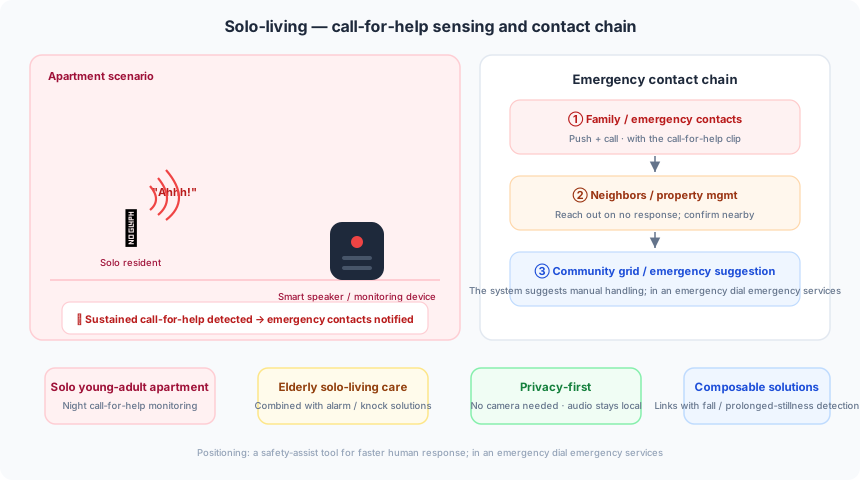
A smart speaker or care device listens locally; a sustained scream triggers the contact chain: family/emergency contacts (push + call with the audio clip) → neighbors/property management if unanswered → community/emergency-service suggestion. No camera needed — privacy-first, which matters for acceptance in bedrooms and bathrooms-adjacent spaces.
The honest positioning: a safety-assistance tool that speeds up human response. For real emergencies, dial emergency services directly.
The Graded Response Flow
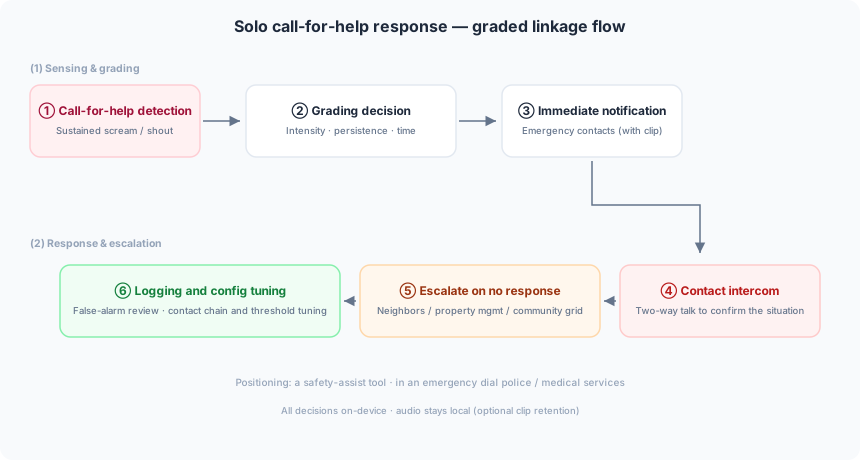
1. Scream detection — sustained scream/shout identified on-device
2. Grading — strength, duration, time-of-day
3. Instant notification — emergency contact with audio clip
4. Contact two-way talk — confirm status through the device
5. Escalation when unanswered — neighbor, property, community
6. Record and configuration refinement — false-alarm review, contact chain tuning
Public Spaces: The Night Safety Net
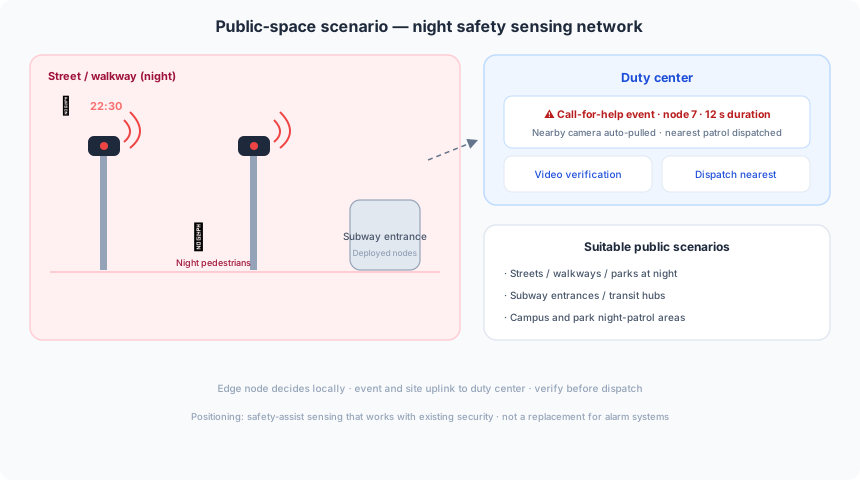
On night-time streets and around transit hubs, sensing nodes on lamp posts feed a duty desk: event with location, auto-retrieved camera, nearest patrol dispatched. Verify before dispatch keeps resources focused on real incidents.
Event Data
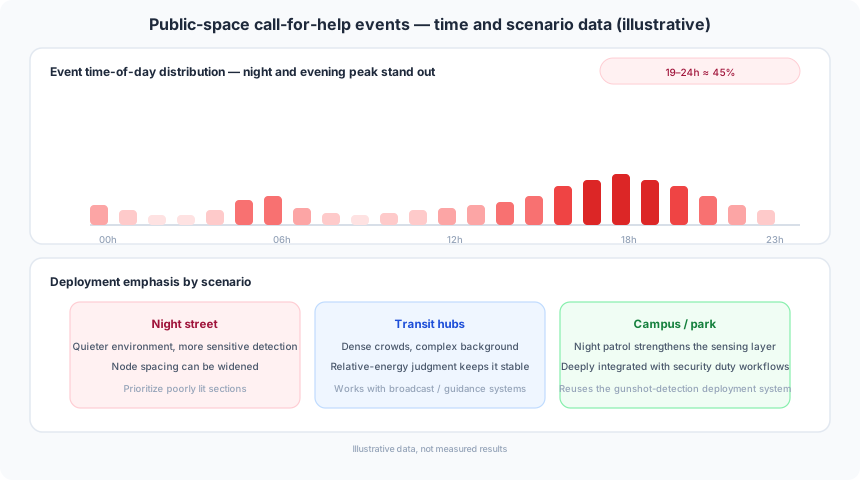
Events cluster in the evening and night hours; deployment focus differs by scene — quiet streets favor wider spacing and lighting-gap coverage; transit hubs rely on relative-energy stability; campuses combine with guard workflows.
Conclusion
Whether it's one apartment or one kilometer of street, the goal is the same: make a call for help impossible to miss. An online trial with scenario deployment support is available.
Want to try the detection yourself?